Top 3 Alternatives of LogicGate Risk Cloud for Centralized Incident Tracking
Many teams discover their incident logs scattered across email threads, spreadsheets, and disconnected ticketing systems exactly when an audit arrives. This scattered approach creates gaps that slow response times and leave compliance teams scrambling to prove what happened and when. The three platforms compared here each promise to close those gaps.
By the end of this article you will see how Process Street, Onspring, and ServiceNow handle workflow automation, audit trails, and cross-team integrations so you can decide which tool matches your current incident volume and reporting requirements.
What to Look For in Centralized Incident Tracking Tools
Centralized incident tracking tools must deliver structured data capture, real-time escalation, and automated evidence trails to satisfy regulatory scrutiny.
Teams need systems that respond automatically when incidents occur. Automated workflow triggers connected to incident categories reduce manual handoffs and keep response times short. These triggers route events to the right teams without waiting for manual review.
Security and compliance teams also require granular permission controls that use role-based access. This ensures that sensitive case details stay visible only to authorized personnel while other stakeholders see only summary information.
Every change must be recorded. Timestamped audit logs exported in PDF or CSV formats give auditors the documentation they need. These logs establish clear chains of custody that regulators expect to see.
Response speed matters. SLA countdown timers combined with escalation rules notify managers when deadlines slip. Teams stay accountable and incidents receive attention before they become larger problems.
Decision makers rely on risk scoring algorithms that use custom weighted fields. These scores help prioritize incidents based on severity, business impact, and regulatory exposure rather than treating every case the same.
Modern environments demand connectivity. Integration APIs push incident data into SIEM or ERP systems without manual exports. This keeps risk registers current and gives compliance teams visibility across platforms.
1. Process Street - Best Overall
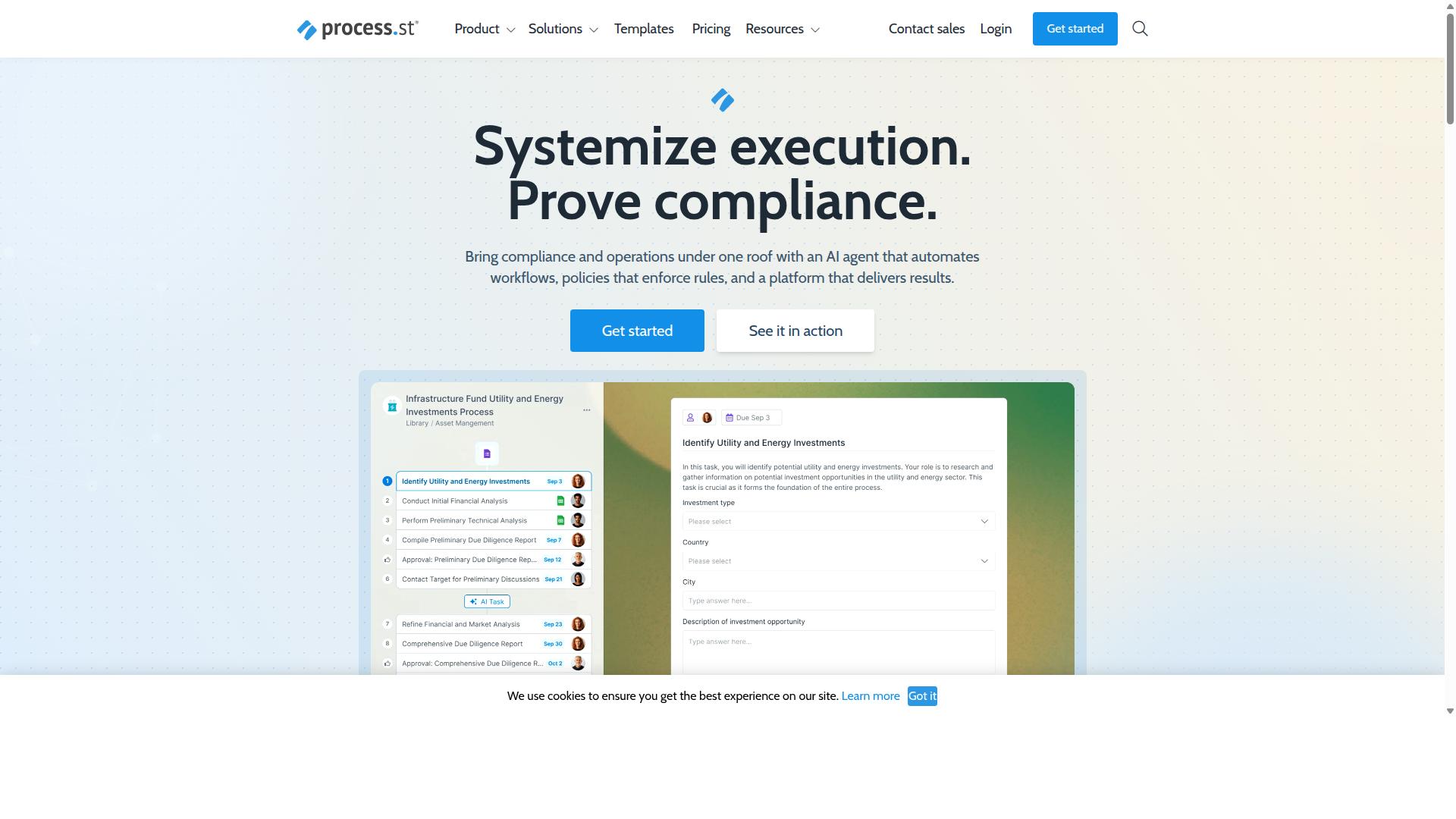
First sentence: Process Street earns the top spot for teams that need incident workflows embedded inside governed processes rather than standalone ticketing.
Process Street marries incident intake, policy enforcement, and audit-ready outputs in a single platform. This unified approach reduces context switching between separate risk management software tools. Teams maintain clear visibility across every stage of centralized incident tracking.
Three key differentiators set Process Street apart from LogicGate Risk Cloud. The platform includes AI-powered checklists that guide responders through complex procedures. Conditional logic for escalation ensures appropriate stakeholders receive notifications at the right moments. Automatic PDF evidence packs streamline the compliance documentation process.
Incident Tracking Workflow Automation
First sentence: Incident intake begins with a standardized form that assigns each record a category and immediately launches the correct response checklist.
Four concrete automations handle the complexity of security incident response. Conditional logic routes high-severity incidents to the CISO within 15 minutes. Dynamic checklists adapt based on answers to previous questions, ensuring relevant tasks surface automatically.
SLA timers flag breaches in red when response deadlines approach. Auto-generated task assignments direct work to the correct owner based on incident type and organizational structure. These workflow automation features connect with external systems through Zapier, Microsoft Power Automate, Tray.io, Make, and Public API access.
Compliance Documentation and Audit Trails
First sentence: Every incident action is timestamped and linked to the controlling policy, producing export-ready evidence packs for ISO, SOC 2, or SOX audits.
The documentation workflow captures everything needed for regulatory compliance. Users attach supporting files to checklist tasks as evidence collection proceeds. E-signatures finalize approval steps within the same interface.
The system creates PDF packets automatically, complete with page numbers and table of contents. Immutable logs store records for seven years, supporting long-term audit requirements. This approach aligns with Ops features that turn policies into AI-powered workflows while supporting governance needs for ISO 9001, SOC 2, SOX, and FDA standards.
2. Onspring
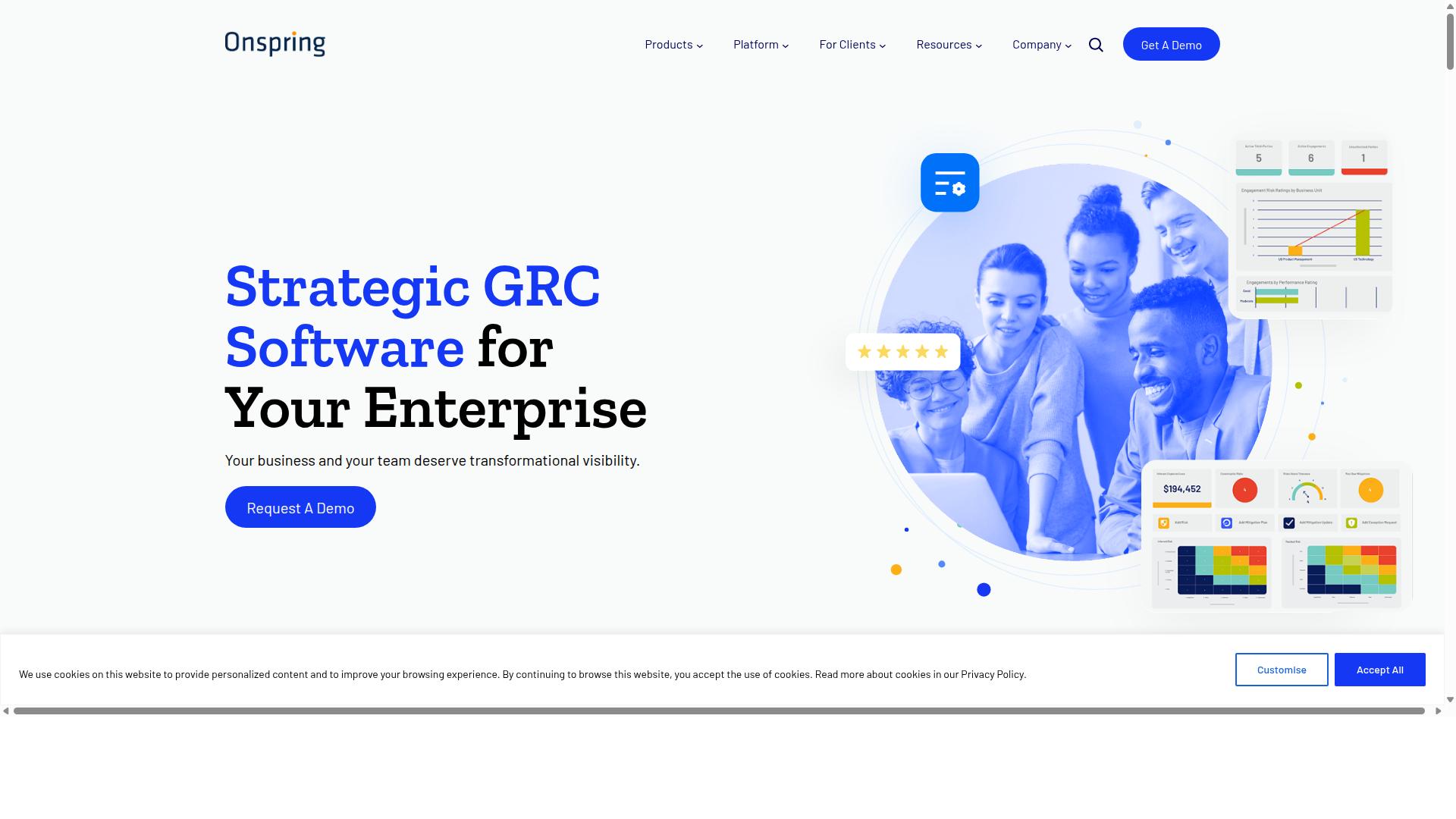
Onspring offers configurable GRC modules that allow organizations to build incident workflows without native document control. The platform supports centralized incident tracking through structured data entry and process automation. Users can adapt the system to match existing risk management procedures.
Organizations often select this option when they need flexibility within a broader compliance automation environment. The modular approach means teams can focus on specific incident management needs. Configuration happens through visual builders rather than custom development.
Incident Management Features
Users can design multi-stage approval flows that trigger notifications and link related records for root-cause tracking. Configurable status fields help teams maintain visibility across different incident types. This structure supports consistent categorization and escalation procedures.
Linked risk registers connect individual incidents to broader risk assessments. Teams can maintain relationships between specific cases and overall risk profiles. The connection supports more accurate risk scoring and mitigation planning.
Email alert templates standardize stakeholder notification across different incident categories. Organizations can create templates for various severity levels. This approach ensures consistent communication during security incident response activities.
Integration Capabilities
REST APIs and pre-built connectors allow synchronization with existing ITSM and vulnerability scanners. Organizations can push incidents into Jira for development team coordination. This connection supports faster resolution when technical fixes are required.
Pulling CVE data into incident records helps teams assess threat severity. The integration reduces manual data entry and improves accuracy of vulnerability management processes. Real-time updates keep incident records current with new threat intelligence.
Syncing user directories ensures accurate assignment of incident ownership. Teams can maintain current contact information across systems. This capability supports proper case management and SLA tracking throughout the incident lifecycle.
3. ServiceNow
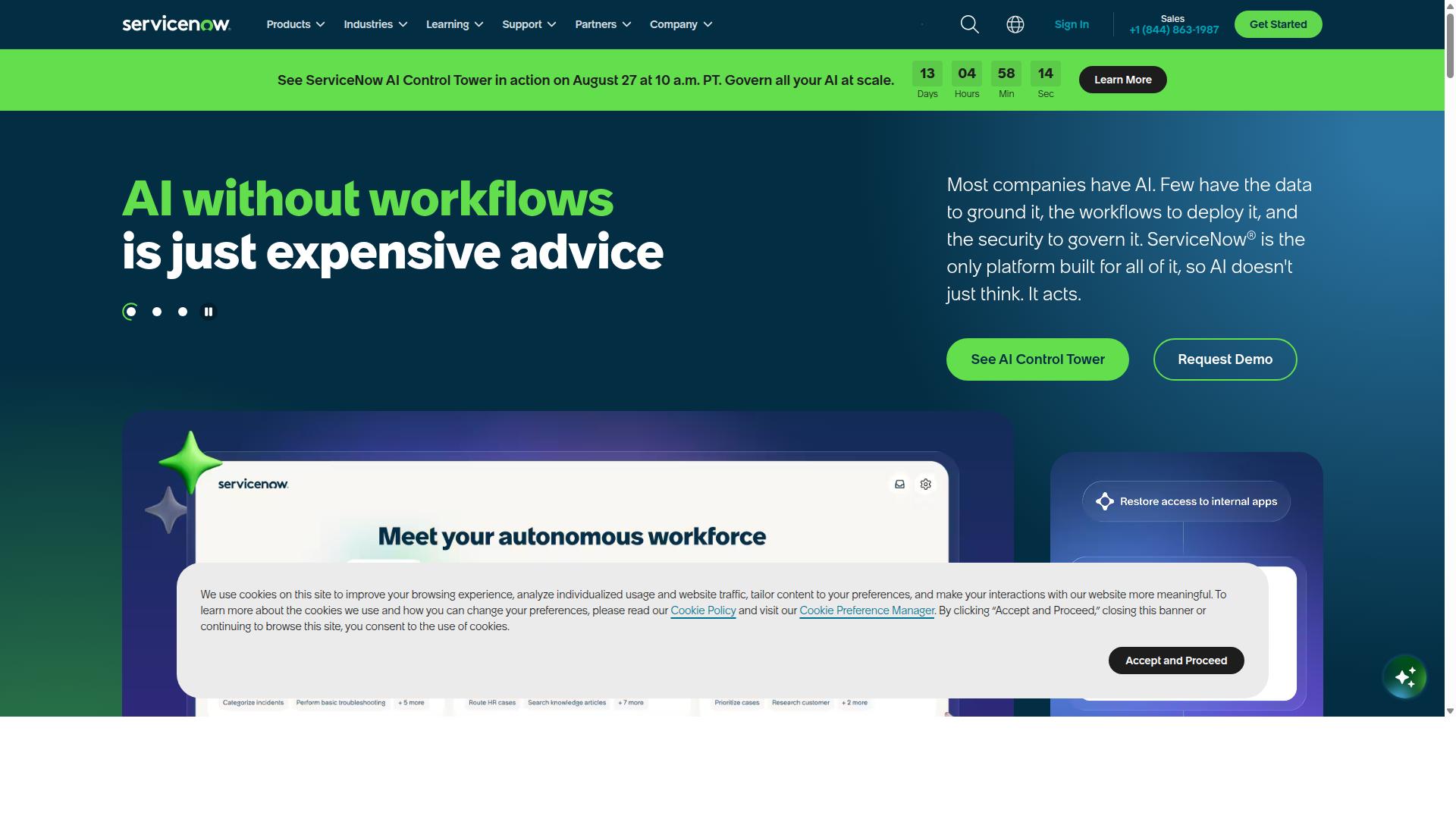
ServiceNow's IT Service Management and Security Incident Response modules provide broad enterprise coverage for large organizations.
These modules work together to support centralized incident tracking across multiple departments and locations. The platform combines established ITSM processes with security-focused capabilities for organizations that need unified oversight.
Companies use these features to maintain consistent workflows while addressing both IT and security concerns. The approach appeals to enterprises that already rely on ServiceNow for other service management functions.
Incident Tracking and Response
A unified incident table supports triage, investigation, and resolution workflows across IT and security teams.
The system includes three standard features that address common incident management needs. Incident task boards provide visual oversight of ongoing cases and their current status.
Response templates help teams follow established procedures for different incident types. Post-incident review records capture lessons learned and support continuous improvement efforts.
These features allow organizations to maintain structured approaches to incident handling while adapting to specific requirements. Teams can customize these elements based on their existing processes and compliance needs.
Enterprise Scalability
Role-based access, domain separation, and multi-instance architecture support global deployments with complex governance.
Multi-instance support allows organizations to maintain separate environments for different regions or business units. Domain separation enables granular control over data access and process visibility across these environments.
These capabilities address the governance challenges that arise in large enterprises with multiple regulatory requirements. Organizations can enforce different policies and procedures while maintaining centralized oversight of incident data.
The architecture supports the kind of complex organizational structures often found in global companies. Teams can operate independently where needed while contributing to enterprise-wide incident tracking and reporting.
How to Choose the Right Option
Selection hinges on the size of the compliance team, existing tech stack, and the strictness of audit requirements. Compliance leaders need strong evidence trails. Operations teams want clear escalation paths. IT leaders focus on secure data handling.
| Criteria | Compliance Leaders | Operations Teams | IT Leaders |
|---|---|---|---|
| Document control depth | Detailed version history and role-based access support regulatory audits | Simple approval workflows speed up daily task handling | Granular permissions protect sensitive incident files |
| Native automation limits | Approval chains and notifications reduce missed deadlines | Pre-built rules handle repeating incident patterns | API connections connect with security monitoring tools |
| Pricing transparency | Clear tiered plans help forecast yearly compliance costs | Usage-based options scale with incident volume | Enterprise agreements include data handling commitments |
| Data-residency options | Regional hosting meets industry regulations | Standard cloud locations support daily operations | Private cloud or on-premise setups meet security policies |
Process Street serves teams across Operations, Customer management, Compliance, Human resources, Finance, and IT and security. Industries such as Financial services, Real estate, Manufacturing, Healthcare, Professional services, Technology, Capital markets, and Property management rely on its workflows.
Common uses include employee onboarding, client onboarding, ISO compliance, quality tracking, document control, and custom workflows. These capabilities align well with centralized incident tracking needs.
Compare each platform against your incident volume and audit frequency. Consider whether your team needs deep policy enforcement or lighter case management features. The right fit balances control, automation, and cost visibility for your specific regulatory environment.
Final Verdict
Teams needing both incident workflows and airtight compliance documentation should prioritize a platform that unifies the two functions.
Unified policy-to-workflow conversion stands as the first decisive factor. This capability transforms static risk policies directly into active incident tracking sequences, eliminating gaps between documented procedures and actual response activities.
Exportable audit packs represent the second critical element. These structured outputs compile evidence, timelines, and documentation into formats that satisfy external reviewers without requiring manual reconstruction of events.
SOC 2 Type II and ISO 27001 certification complete the essential requirements. Process Street holds both certifications, ensuring that incident data and compliance records meet rigorous security standards for enterprise environments.
Research suggests organizations achieve measurable efficiency gains when adopting unified platforms. IMCD UK reported 30% faster documentation and 75%+ reduction in setup time when implementing such systems for centralized incident tracking.
LogicGate Risk Cloud and similar GRC platforms each offer distinct strengths for specific regulatory contexts. The combination of workflow automation, audit readiness, and security certifications provides the foundation for scalable incident management across multiple compliance frameworks.
Recommended Resources: